Slipknot are the focus of a powerful new Netflix docuseries that peels back the masks and mythology surrounding one of the most extreme and influential bands in modern metal. Known for their anonymity, aggression, and uncompromising sound, the Iowa-based group finally opens the door to their world in a series that promises intensity, honesty, and raw emotion.
The docuseries traces Slipknot’s origins in Des Moines, Iowa, where frustration, grief, and ambition collided to form a band unlike anything the metal scene had seen before. Through early rehearsal footage and candid interviews, Netflix explores how nine individuals with chaotic energy forged a singular identity built on discipline, unity, and controlled rage.
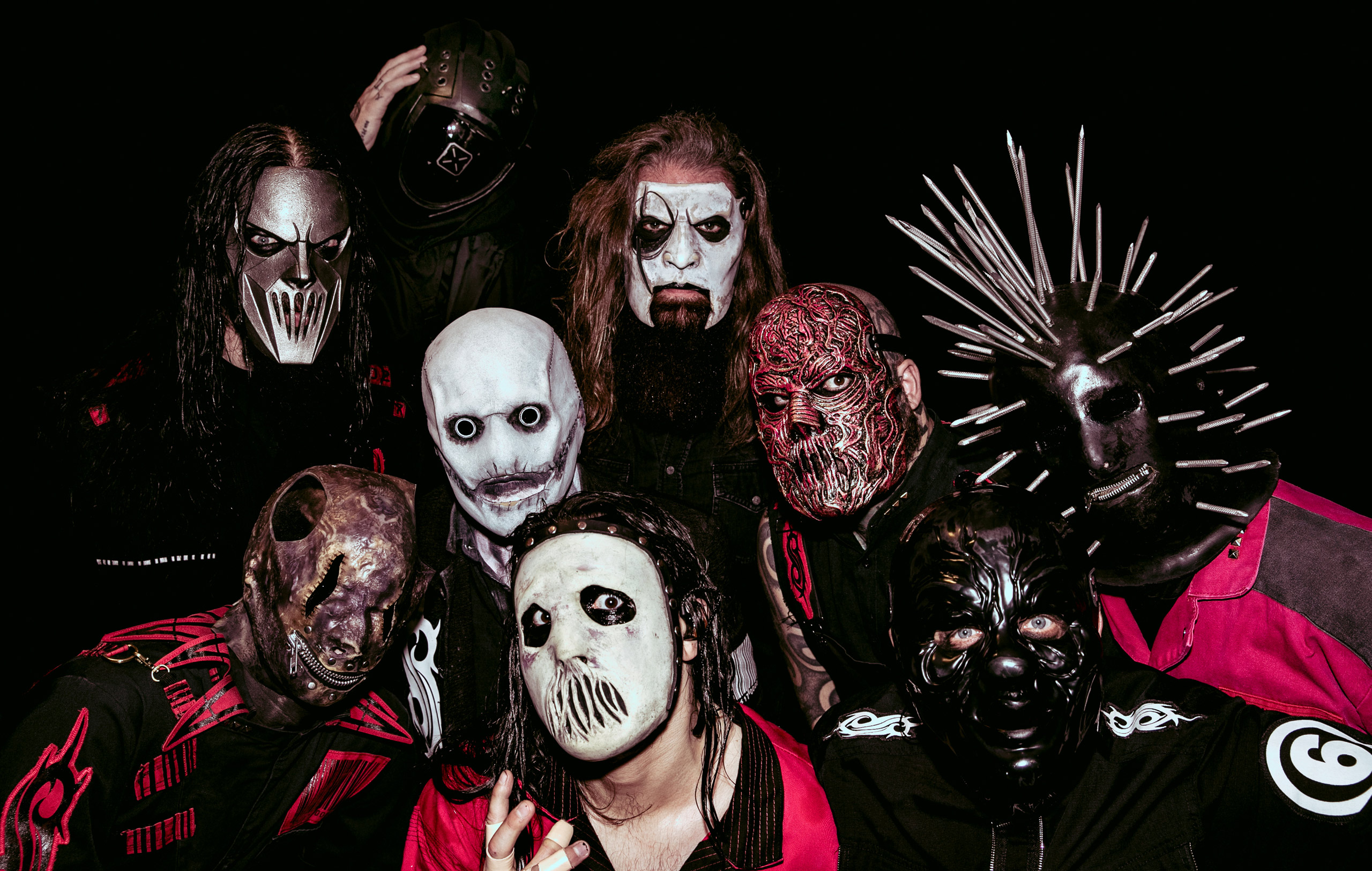
A major focus of the series is the creation of Slipknot’s visual identity—the masks, jumpsuits, and numbers that became as iconic as their sound. Band members explain how anonymity was never a gimmick, but a statement: the music came first, the ego came last. The evolution of the masks over the years mirrors the personal and artistic changes within the group.
The docuseries gives special attention to the band’s explosive self-titled debut and the era-defining album Iowa. These records are framed not just as musical milestones, but as emotional documents, created during periods of internal conflict, substance abuse, and relentless touring. Netflix does not shy away from the darkness that fueled the music.
Corey Taylor’s role as frontman and lyricist is explored in depth, with new interviews shedding light on how his words gave voice to alienation and anger for millions of fans worldwide. The series highlights how Slipknot’s brutal honesty created a global community of listeners who felt seen through the chaos.
One of the most compelling aspects of the docuseries is its treatment of loss, particularly the deaths of bassist Paul Gray and drummer Joey Jordison. Band members speak openly about grief, guilt, and the challenge of continuing Slipknot without foundational figures, making these episodes some of the most emotionally charged in the series.
Netflix also documents the band’s evolution beyond pure aggression, examining albums that incorporated melody, experimentation, and introspection. The series challenges the stereotype that Slipknot is only about noise, revealing a group constantly pushing its creative boundaries while remaining rooted in metal’s core spirit.
Live performances are captured with cinematic intensity, showcasing the controlled violence, precision, and ritualistic energy of Slipknot’s shows. From small clubs to massive festival stages, the docuseries demonstrates why Slipknot are regarded as one of the most powerful live acts in music history.
The cultural impact of Slipknot is another central theme, with journalists and fellow musicians discussing how the band reshaped metal in the late 1990s and 2000s. Their influence on fashion, stage production, and extreme music aesthetics is positioned as both disruptive and transformative.
In its final episodes, the docuseries reflects on survival, brotherhood, and legacy. After decades of controversy, lineup changes, and personal battles, Slipknot emerge not as a novelty act, but as a band that endured by evolving.
Ultimately, Netflix’s Slipknot docuseries is a testament to controlled chaos and artistic commitment. It offers longtime fans unprecedented access and gives new viewers a deeper understanding of why Slipknot remain a defining force in heavy music—masked, misunderstood, and unmistakably real.