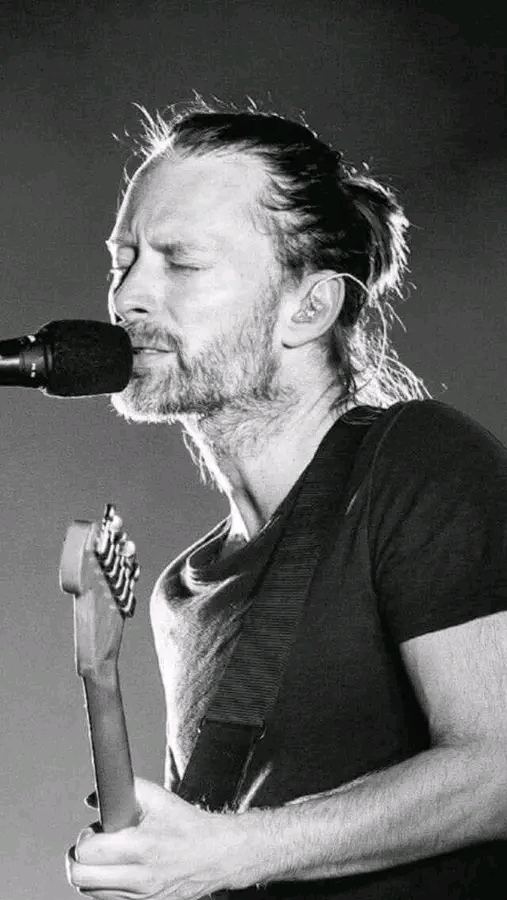
For many fans, falling in love with Radiohead didn’t happen gradually — it happened in a single moment. A single song. A single line. A single sound that felt different from everything else on the radio.
The first Radiohead song you hear often becomes more than just music; it becomes a memory stamped in time.For some, that moment began with “Creep.” Released in the early ’90s, the breakout single introduced the world to a band that sounded vulnerable, raw, and painfully honest.
The distorted guitar crashes and aching vocals made it impossible to ignore. It wasn’t polished rock — it was emotional exposure set to music.Others first connected with Radiohead through “High and Dry,” a track that blended melancholy with melody in a way that felt haunting yet accessible. It showed a softer side of the band, proving they weren’t just about angst — they were about atmosphere.
The song lingered long after it ended.Then there are those who discovered them through “Karma Police.” The slow build, the hypnotic repetition, and that unforgettable closing section created a sense of cinematic tension. It felt like a protest song wrapped inside a dream. Hearing it for the first time often feels like stepping into a different musical universe.For many modern fans, the gateway track was “No Surprises.” Its gentle glockenspiel intro sounds almost like a lullaby, but the lyrics reveal something much deeper.
The contrast between soft sound and heavy emotion is classic Radiohead — beautiful and unsettling at the same time.Some listeners didn’t truly “get” Radiohead until they heard “Paranoid Android.”
The multi-part structure, shifting moods, and ambitious production signaled that this band was willing to break every rule. It wasn’t just a song; it was an experience.And then there’s “Fake Plastic Trees,” a song that slowly unfolds with quiet intensity. It captures fragility in a way few bands can. The emotional crescendo near the end often becomes the moment when a casual listener turns into a lifelong fan.What makes that first Radiohead song so powerful is the element of surprise. They don’t sound like anyone else.
From alternative rock roots to electronic experimentation, their evolution has always challenged expectations. You don’t just listen — you absorb.Frontman Thom Yorke plays a huge role in that first impression. His voice doesn’t just carry melodies; it carries emotion. It trembles, soars, whispers, and breaks — sometimes all in one track.
That vulnerability is often what pulls new listeners in.Over time, fans discover albums like OK Computer and realize the band’s depth goes far beyond a single hit. Themes of isolation, technology, love, and anxiety feel even more relevant today than when the record was first released.
That initial song becomes the doorway to something bigger.Years later, people can still remember exactly where they were when they first heard that track. Maybe it was late at night with headphones on. Maybe it was playing softly on the radio. Maybe a friend recommended it. However it happened, it stayed.
The beauty of Radiohead is that everyone’s “first song” is different — but the result is often the same. Curiosity turns into admiration. Admiration turns into obsession. And before you know it, you’re exploring B-sides, live performances, and deep cuts.So what was the first Radiohead song you heard? Was it the raw ache of “Creep,” the haunting calm of “No Surprises,” or the epic ambition of “Paranoid Android”? Whatever it was, chances are it didn’t just make you like the band — it made you feel something you couldn’t quite explain.