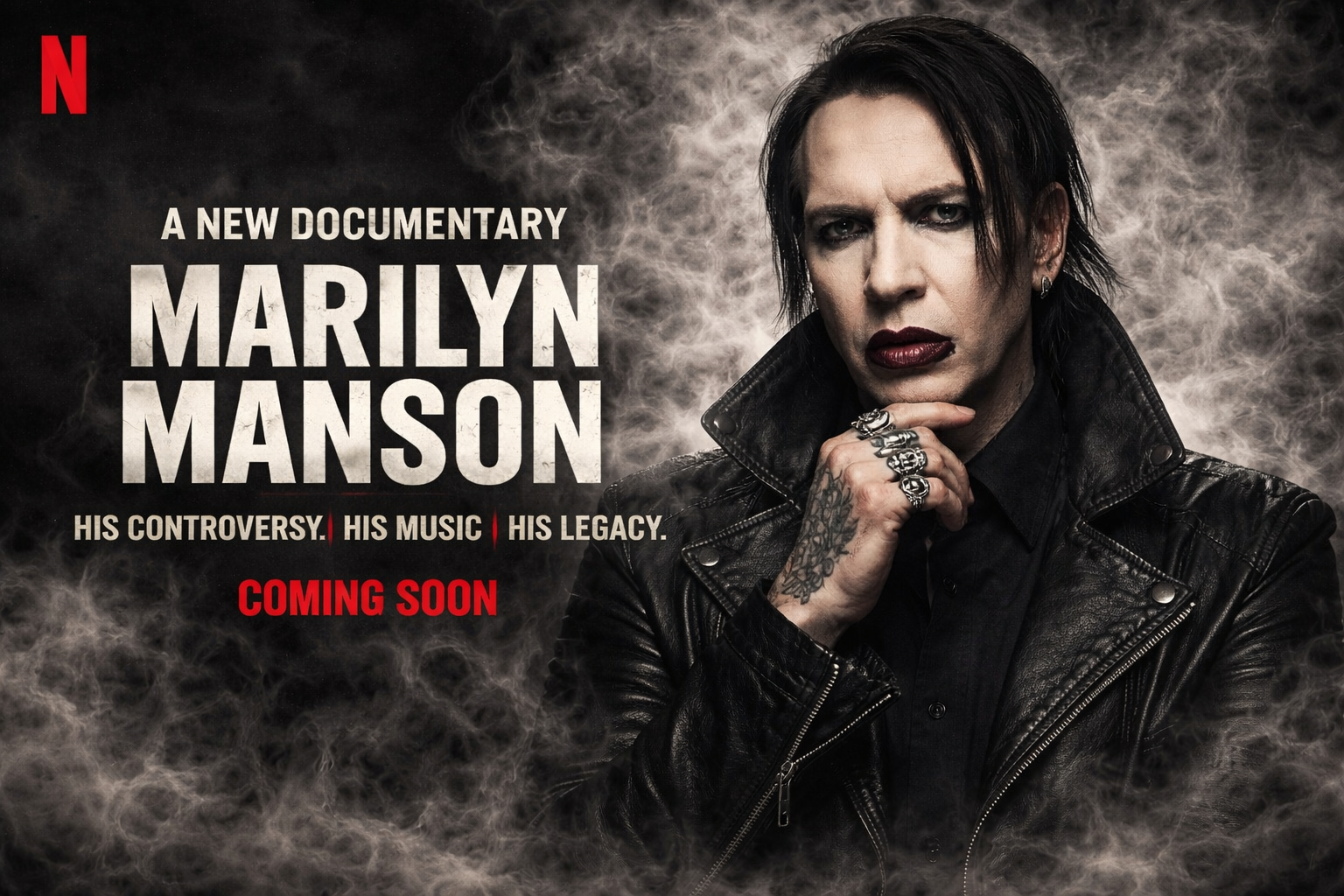
Few artists have challenged the boundaries of music and culture quite like Marilyn Manson. Known for his provocative image and unapologetic artistry, Manson emerged as one of the most controversial yet influential figures in modern rock. But beyond the shock value lies a deeper story—one shaped by pain, identity, and a relentless pursuit of expression.
Born Brian Warner, Manson’s transformation into a cultural icon was anything but accidental. He crafted a persona designed to confront societal norms, blending horror aesthetics with industrial rock. In doing so, he didn’t just create music—he created a movement that forced audiences to question everything from religion to authority.
His rise to fame in the 1990s coincided with a period of cultural tension, and Manson quickly became a lightning rod for criticism. Albums like Antichrist Superstar pushed boundaries, earning both devoted fans and fierce detractors. To some, he was a symbol of rebellion; to others, a source of controversy.
Yet, behind the theatrical persona was a voice that carried raw emotion. Manson’s music often explored themes of alienation, trauma, and inner conflict. His lyrics weren’t just designed to shock—they were reflections of real struggles, delivered with intensity and conviction.
The “pain” in his story is not just metaphorical. Manson has spoken openly about his experiences with isolation and the pressures of fame. His art became a channel for confronting those experiences, turning darkness into something powerful and, for many fans, deeply relatable.
As his career evolved, so did his sound. While his early work was aggressive and confrontational, later albums revealed a more introspective side. Tracks became more melodic, more reflective—yet still carried the unmistakable edge that defined his identity.
Manson’s legacy, however, is as complex as the man himself. He didn’t just influence music; he shaped an entire aesthetic and attitude within alternative culture. Countless artists have drawn inspiration from his fearless approach to creativity and self-expression.
At the same time, controversy has remained a constant companion. Public perception of Manson has shifted over the years, with debates surrounding his impact continuing to spark discussion. These conversations, while divisive, are part of what makes his story so compelling.
What cannot be denied is his ability to command attention. Whether through music, visuals, or performance, Manson understands the power of presence. He doesn’t simply perform—he creates an experience that lingers long after the moment has passed.
The “secret” behind his enduring relevance lies in his authenticity. Even when polarizing, Manson has remained consistent in his vision. He has never sought approval, choosing instead to stay true to his artistic instincts.
For fans, his work represents more than entertainment—it’s a form of connection. In his exploration of darkness, many have found understanding. In his defiance, they’ve found courage.
In the end, Marilyn Manson stands as a figure who redefined what it means to be an artist. His voice, shaped by pain and driven by purpose, continues to echo across generations—challenging, inspiring, and refusing to be ignored.