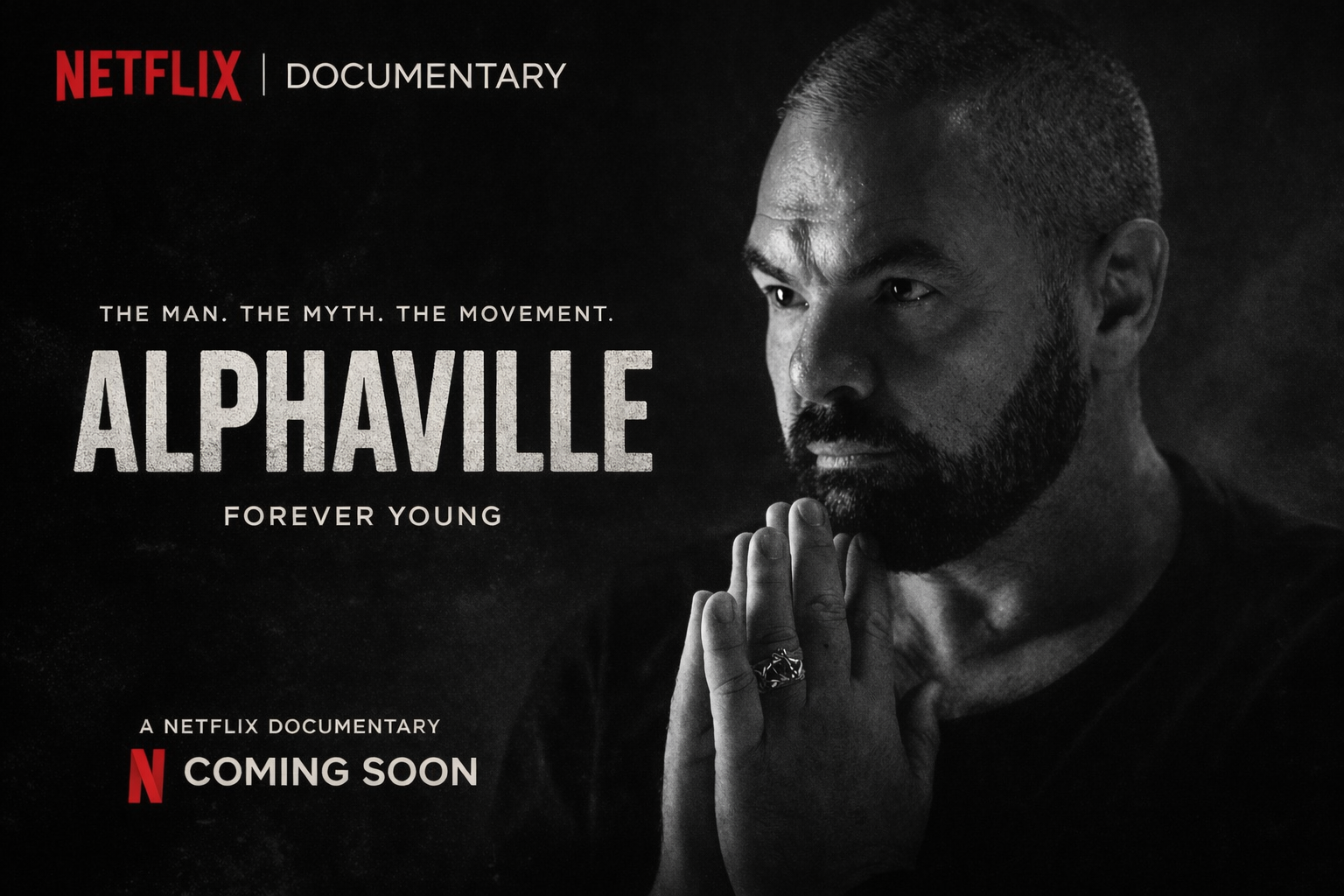
The story of Alphaville is one that echoes far beyond the shimmering synths and nostalgic melodies that first captivated listeners in the 1980s. Emerging from a rapidly evolving music scene in Germany, the band didn’t just ride the wave of synth-pop—they helped define it. Their sound became a time capsule, capturing both the optimism and uncertainty of a generation standing on the edge of technological and cultural transformation.
At the heart of Alphaville’s rise was the unmistakable voice of Marian Gold, whose soaring vocals gave emotional depth to electronic music. While many bands leaned heavily on machines, Alphaville managed to inject humanity into their sound. This balance between synthetic and soulful became their signature, setting them apart in a crowded genre.
Their breakout hit, Forever Young, quickly transcended charts and became an anthem. It wasn’t just a song—it was a philosophical reflection wrapped in melody. The track captured a universal longing for timelessness, resonating across generations and cultures. Decades later, it still plays at weddings, films, and moments of reflection, proving its enduring emotional power.
But the secret behind Alphaville’s influence wasn’t just one song. Their debut album, Forever Young, was a carefully crafted blend of futuristic sounds and introspective lyrics. Tracks like “Big in Japan” and “Sounds Like a Melody” showcased their ability to merge storytelling with sonic innovation, creating an immersive listening experience.
Behind the scenes, Alphaville operated with a level of artistic intention that many overlooked. Their music was not merely designed for radio play—it was conceptual. Themes of identity, time, and existential longing were woven into their lyrics, giving fans something deeper to connect with beyond catchy hooks.
As the band gained international success, they became symbols of a broader cultural shift. The 1980s were marked by rapid technological advancement, and Alphaville’s sound mirrored that change. Synthesizers, drum machines, and digital production techniques became tools of expression rather than novelty, and Alphaville mastered them early.
Yet, like many pioneering acts, their journey wasn’t without challenges. Maintaining relevance in an ever-changing industry required constant reinvention. While trends shifted toward grunge and alternative rock in the 1990s, Alphaville quietly continued evolving, refining their sound while staying true to their core identity.
What many fans didn’t realize was how deeply influential Alphaville had become behind the scenes. Their music inspired countless artists across genres—from pop to electronic to indie. The emotional sincerity embedded in their work became a blueprint for artists seeking authenticity in an increasingly digital world.
The “secret” often overlooked in Alphaville’s success lies in their restraint. They never overproduced or overwhelmed their audience. Instead, they allowed space—space for listeners to feel, interpret, and connect. This minimalistic yet powerful approach is what gave their music longevity.
In recent years, a resurgence of 80s-inspired music has brought Alphaville back into the spotlight. New generations are discovering their catalog, often through streaming platforms and film soundtracks. What was once nostalgic is now timeless, bridging the gap between past and present.
Their legacy is no longer confined to a specific era. Alphaville represents a feeling—a blend of hope, melancholy, and wonder. They remind us of a time when music dared to ask big questions while still being accessible and beautiful.
Ultimately, Alphaville’s story is not just about fame or hits. It’s about creating something that endures. The sound they crafted continues to echo, proving that true artistry doesn’t fade—it evolves. And in that evolution, Alphaville remains forever young.