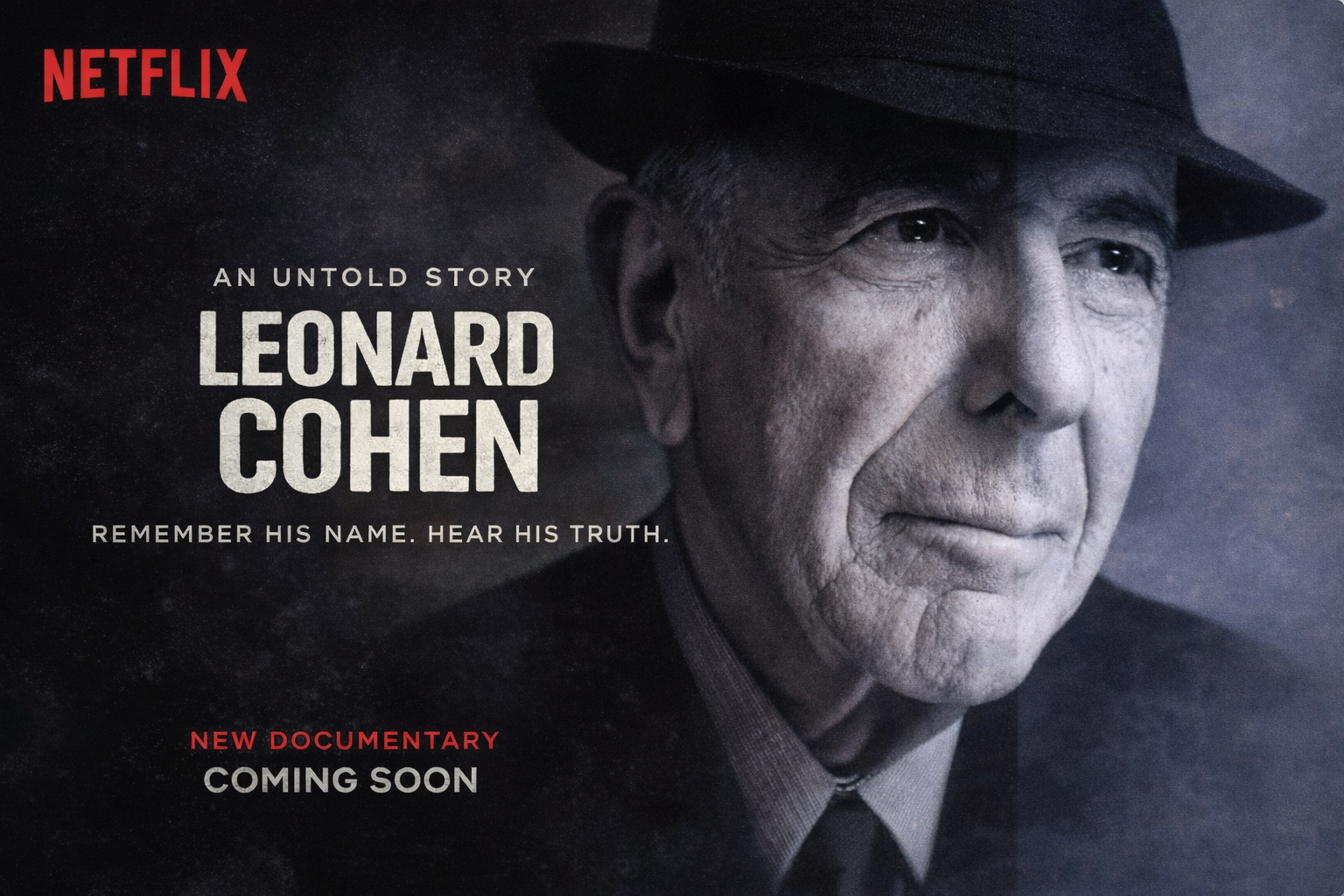
Leonard Cohen was never just a musician—he was a poet of the human condition, a quiet storm whose words echoed deeper than melodies. Long before the spotlight found him, Cohen was already shaping minds through literature, crafting verses that explored love, loss, faith, and the fragile nature of existence. His journey into music wasn’t a pursuit of fame but an evolution of expression, one that would ultimately define a generation.
Born in Montreal, Cohen’s early life was steeped in culture and introspection. His fascination with poetry and philosophy became the foundation of his artistry. While others chased commercial appeal, Cohen pursued truth—raw, unfiltered, and often uncomfortable. It was this authenticity that set him apart and would later make his voice one of the most recognizable and respected in music history.
When Cohen released his debut album, Songs of Leonard Cohen, the world didn’t immediately grasp what it was witnessing. His voice—deep, almost conversational—defied traditional standards of musical beauty. Yet, beneath that understated delivery lay a lyrical brilliance that captivated those willing to listen closely. Songs like “Suzanne” became quiet anthems, slowly weaving themselves into the fabric of cultural consciousness.
But the story behind the voice runs deeper than the music itself. Cohen wrestled with inner demons, spiritual questions, and an unrelenting search for meaning. His work often mirrored this struggle, revealing a man constantly navigating between darkness and light. Unlike many artists, he never hid his vulnerabilities—instead, he turned them into art.
Perhaps one of the most fascinating chapters of Cohen’s life was his retreat into a Zen monastery in the 1990s. At a time when his career could have soared further commercially, he chose solitude and spiritual discipline. Living as a monk, Cohen stripped away the noise of fame, seeking clarity in silence. This decision puzzled many, but for Cohen, it was essential—a reset of the soul.
When he returned to music years later, there was a renewed depth to his work. Albums like Ten New Songs and You Want It Darker carried a weight that only time and reflection could produce. His voice had aged, becoming even more gravelly, yet it held an authority that resonated profoundly with listeners. It was no longer just music—it was testimony.
Cohen’s influence stretched far beyond his own recordings. His song “Hallelujah” became one of the most covered tracks in history, interpreted by countless artists across genres. Yet, no matter how many versions emerged, the original carried a haunting sincerity that could never be replicated. It wasn’t just a song—it was a spiritual experience.
Behind the acclaim, however, lay a lesser-known truth—Cohen’s financial struggles. After years of trusting his management, he discovered that much of his savings had disappeared. Rather than retreat, he returned to touring in his seventies, delivering performances that were nothing short of legendary. Night after night, he stood on stage, not as a relic of the past, but as a master still in command of his craft.
What made Cohen truly unique was his relationship with time. He didn’t fear aging; he embraced it. While many artists faded, Cohen evolved. His later works carried themes of mortality and acceptance, offering listeners a rare perspective on life’s final chapters. There was no pretense—only honesty.
The “secret” behind Cohen’s enduring impact isn’t hidden in mystery but in his unwavering commitment to truth. He never chased trends or altered his voice to fit expectations. Instead, he invited the world into his own, trusting that those who needed his words would find them. And they did—across generations, across borders.
Even after his passing in 2016, Cohen’s presence remains undeniable. His music continues to inspire, his poetry continues to provoke thought, and his legacy continues to grow. In an era driven by noise and speed, Cohen’s work reminds us of the power of stillness and reflection.
In the end, Leonard Cohen wasn’t just the voice of a generation—he was its conscience. His story, layered with struggle, faith, and artistic brilliance, reveals a truth that resonates even now: the most powerful voices are not always the loudest, but the ones that dare to be real.