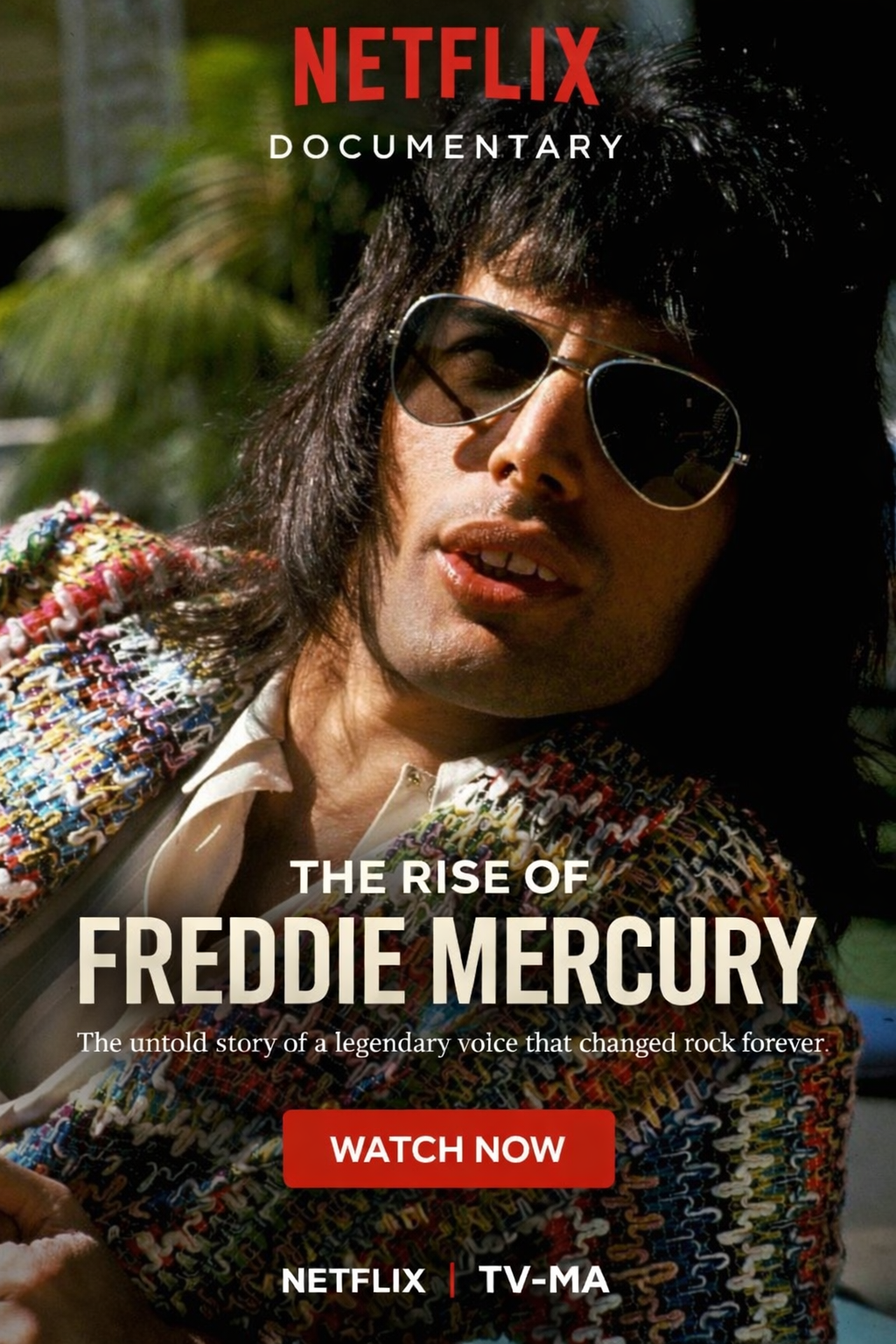
The rise of Freddie Mercury is one of the most captivating stories in the history of modern music. Born Farrokh Bulsara in Zanzibar, his journey from a quiet, introspective boy to one of the most electrifying performers the world has ever seen is nothing short of extraordinary. His transformation wasn’t accidental—it was fueled by ambition, creativity, and a relentless desire to stand out.
Before the fame, Freddie Mercury spent his early years immersed in music and art. His family relocated to England during political unrest, and it was there that his musical identity began to take shape. He studied graphic design while quietly nurturing a passion for performance, unaware that he was preparing for global superstardom.
Everything changed when he joined the band Queen. Alongside Brian May, Roger Taylor, and John Deacon, Mercury helped craft a sound that was bold, theatrical, and completely unique. The band refused to be boxed into a single genre, blending rock, opera, and pop in ways that had never been done before.
Mercury’s voice quickly became the centerpiece of Queen’s identity. With an astonishing vocal range and unmatched control, he could move seamlessly from soft ballads to powerful anthems. Songs like “Bohemian Rhapsody” redefined what rock music could be, turning complex compositions into mainstream hits.
Beyond his vocal talent, Mercury was a master showman. His stage presence was magnetic—commanding massive crowds with ease and confidence. Whether performing in small venues or stadiums packed with thousands, he had an uncanny ability to make every person feel connected to the music.
One of the defining moments of his career came during Live Aid. In just 20 minutes, Mercury delivered a performance that is still widely regarded as one of the greatest live shows in history. His energy, charisma, and control over the audience turned the set into a legendary cultural moment.
Despite his larger-than-life persona, Mercury was a deeply private individual. He carefully guarded his personal life, choosing to let his music speak for him. This duality—between public flamboyance and private introspection—added to the mystique that surrounded him.
His songwriting was deeply personal and often reflective of his inner world. Tracks like “Somebody to Love” and “We Are the Champions” resonated with audiences because they carried universal themes of struggle, triumph, and belonging. Mercury had a rare ability to translate emotion into unforgettable melodies.
As fame grew, so did the challenges. The pressures of global stardom and the scrutiny of the public eye weighed heavily. Yet, Mercury continued to push creative boundaries, refusing to compromise his artistic vision or authenticity.
In the later years of his life, Mercury faced his most difficult battle—his diagnosis with AIDS. Even as his health declined, he remained dedicated to his craft, recording music that would continue to inspire generations long after his passing.
Mercury’s legacy is immortal. His influence can be seen across genres and generations, inspiring countless artists to embrace individuality and creativity. He didn’t just perform music—he redefined what it meant to be an artist.
Today, Freddie Mercury remains a symbol of fearless expression and artistic brilliance. His story is not just about fame, but about courage, innovation, and the power of being unapologetically yourself.