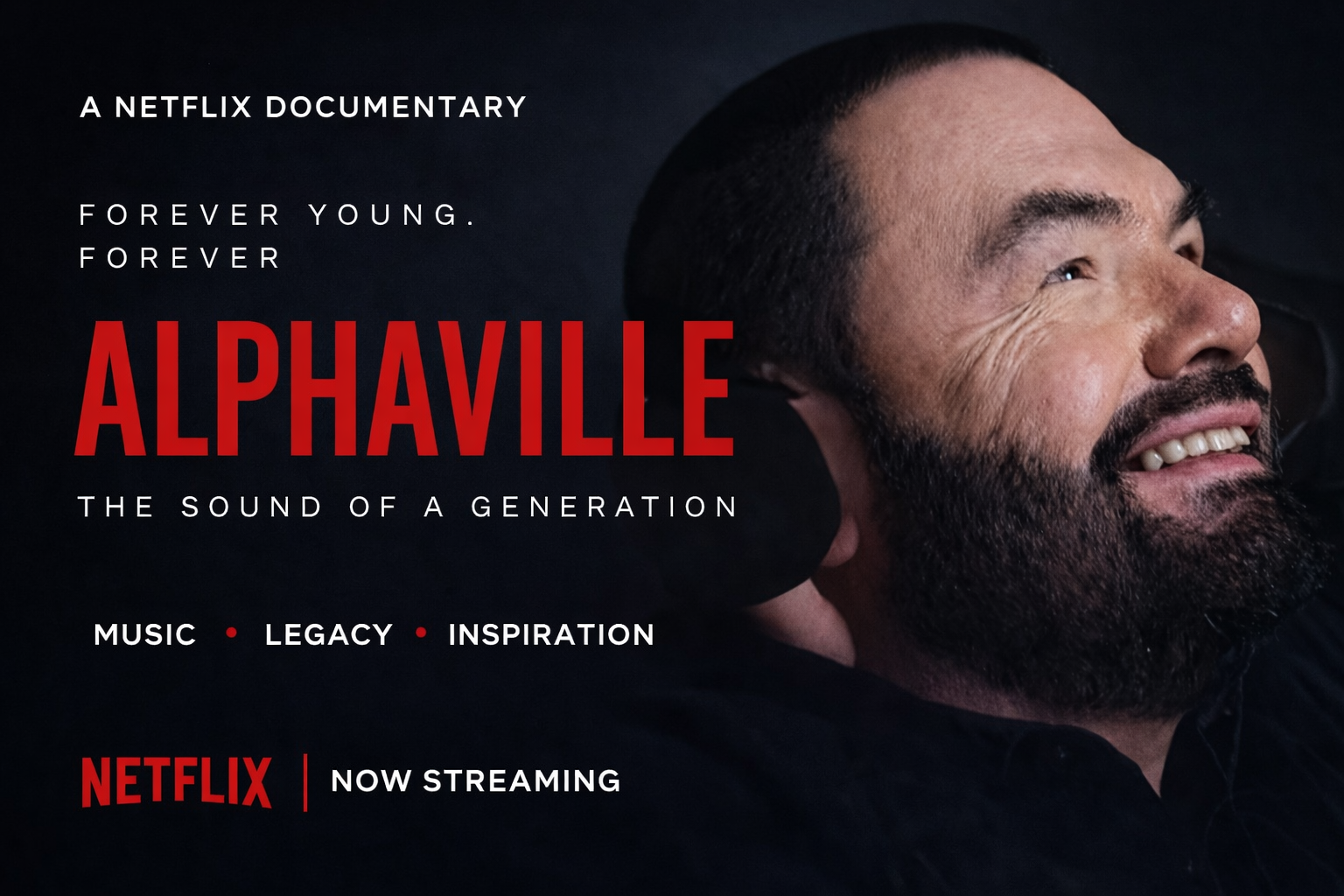
Few bands have managed to carve a sonic identity that transcends decades, but Alphaville is one of those rare exceptions. Formed in the early 1980s, the German synth-pop group quickly captured global attention with hits like “Big in Japan” and “Forever Young.” Yet, beyond the catchy melodies and polished production, there’s an unseen journey that shaped their enduring legacy.
At the heart of Alphaville’s music lies a fascination with both technology and emotion. Their synthesizers weren’t just instruments; they were gateways to new storytelling. While many contemporaries focused solely on rhythm and style, Alphaville layered profound lyrical narratives over intricate electronic arrangements, creating a sound that felt timeless even in its contemporary era.
The band’s formation in Münster, Germany, brought together a trio of visionaries: Marian Gold, Bernhard Lloyd, and Frank Mertens. Each member brought a unique perspective—Gold’s distinctive vocals, Lloyd’s technical mastery of synths, and Mertens’ compositional creativity. This fusion allowed them to craft music that wasn’t just popular—it was visionary.
Alphaville’s debut album, Forever Young (1984), remains a masterclass in synth-pop. Songs like “Big in Japan” offered infectious hooks, while “Forever Young” captured the existential yearning of a generation. Critics lauded the album for its sophistication and emotional depth, cementing the band as more than a fleeting pop act.
Despite early fame, Alphaville didn’t chase commercial trends. The mid-1980s were a turbulent period in music, with the rise of MTV and the explosion of glam metal and dance-pop. Yet, Alphaville maintained a focus on substance over style, which allowed their music to age gracefully while others faded into obscurity.
The band’s second album, Afternoons in Utopia (1986), showcased their evolution. With tracks that balanced dreamlike atmospheres and futuristic synth textures, it became clear that Alphaville was experimenting boldly. Their willingness to embrace complexity over formulaic pop made them a band for the discerning listener.
Beyond studio albums, Alphaville’s live performances contributed to their mystique. They weren’t just playing songs—they were creating experiences. Elaborate light shows, synchronized visuals, and immersive soundscapes elevated their concerts, making each performance a journey through both nostalgia and innovation.
Over the years, Alphaville faced the inevitable challenges of lineup changes and shifting music landscapes. Yet, their core identity remained intact. Marian Gold’s voice, often described as ethereal and emotive, became the unifying element, ensuring that no matter the era, the band’s essence endured.
The 1990s and early 2000s saw Alphaville adapting without compromising. They embraced new recording technologies, experimented with remixes, and collaborated with younger artists. Each step reflected an understanding of the past while boldly moving into the future—a rare balance in an industry obsessed with reinvention.
What makes Alphaville’s story truly remarkable is their commitment to artistry over fame. While many 1980s acts relied on nostalgia tours, Alphaville consistently produced new material that resonated with both longtime fans and new audiences. Their journey is a testament to the power of evolving without losing oneself.
Even today, Alphaville’s influence echoes through modern pop, synthwave, and electronic music. Emerging artists often cite their innovative layering of synth textures and emotional lyricism as inspiration. The band’s ability to remain relevant without conforming to fleeting trends is a blueprint for longevity in the music world.
Ultimately, Alphaville isn’t just a band—it’s a phenomenon. Their unseen journey, from early synth experimentation to global acclaim, demonstrates that true artistry transcends time. In every note, every lyric, there’s a dedication to crafting a sound that will outlive its era, inspiring generations to come.